









Shop by Category
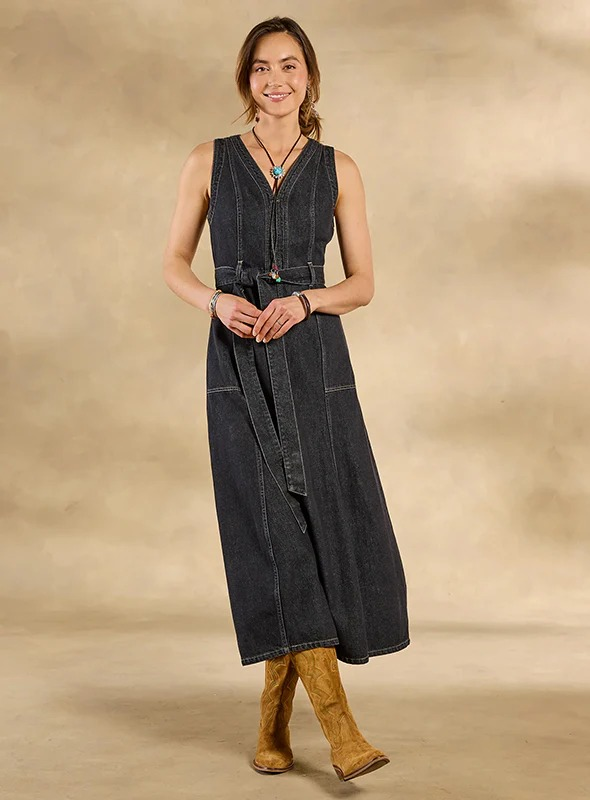
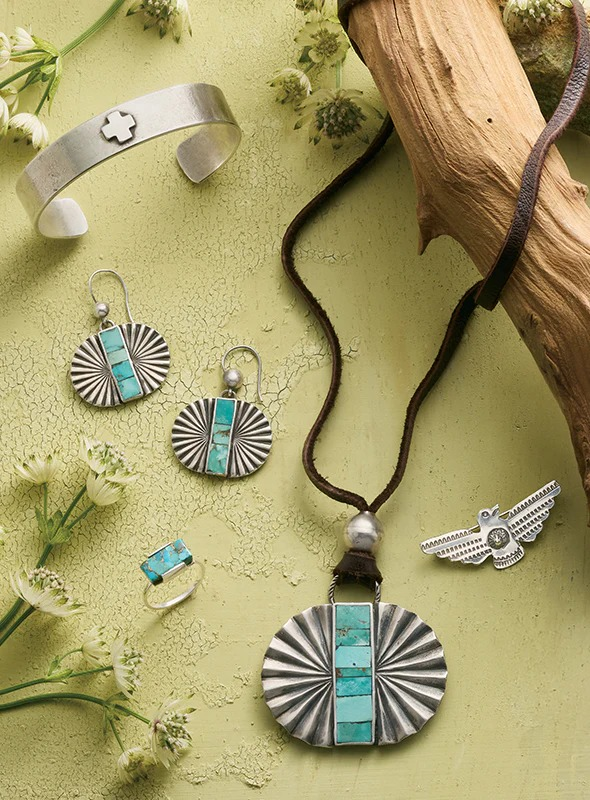
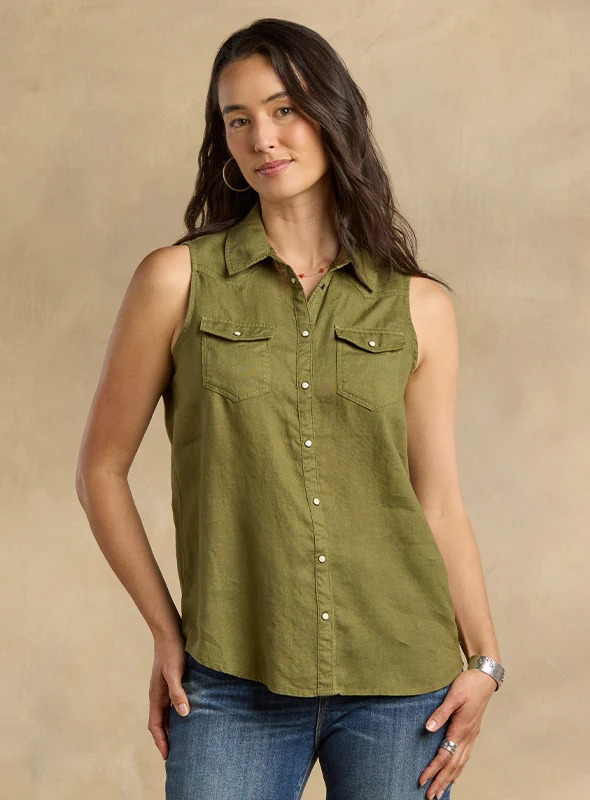
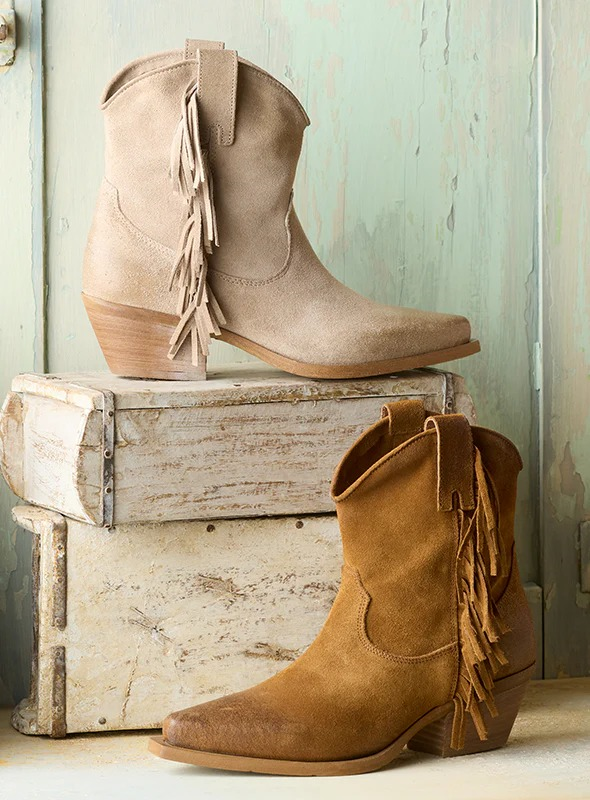

Classic Recommendation.
The Ever-Evolving Silhouette: A Journey Through Fashion History
The garments worn by women have always been more than mere covering; they are a profound chronicle of societal shifts, technological progress, and changing ideals of beauty and liberty. Tracing the trajectory of the female silhouette through the centuries reveals a fascinating dance between constraint and freedom, tradition and innovation. Each era presents a visual manifesto, reflecting the prevailing culture and the role of women within it.
From the voluminous, layered gowns of past epochs, which often symbolized status and required extensive construction, to the sleek, streamlined forms that began to emerge with modernity, the narrative is one of continual flux. The shift away from rigid corsetry and weighty fabrics was a literal and symbolic lightening, paralleling a growing push for mobility and participation in public life. The early twentieth century, for example, saw designers begin to pare down ornamentation, favoring cleaner lines that allowed women greater physical freedom. This transformation was revolutionary, enabling women to move with an ease previously reserved for less restrictive attire.
The mid-century brought a complex interplay of post-war structure and emerging youth culture. While one notable style championed an hourglass shape defined by nipped waists and full skirts, a counter-movement soon followed, embracing geometric, “mod” shapes and shorter hemlines. This period marked an acceleration of fashion cycles, with styles being adopted and discarded with unprecedented speed, often driven by the voices of a younger generation. Clothing became a more powerful tool for cultural commentary and group identity.
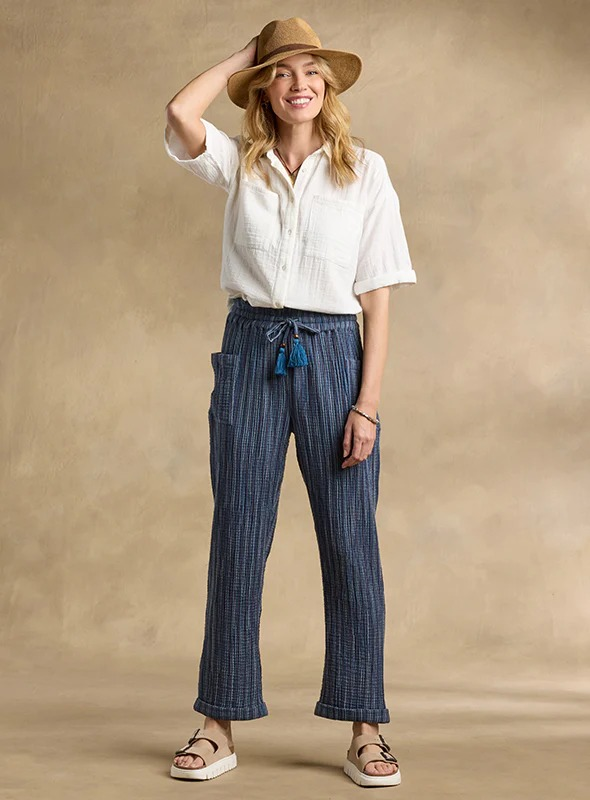
As we moved toward the latter part of the century, the emphasis shifted dramatically towards individual expression and comfort. The rise of sportswear and pieces that transcended gender norms blurred the traditional boundaries of formal and casual dressing. What was once deemed inappropriate for public wear—such as certain trousers or knits—became staples, representing a definitive break from older, prescriptive rules. This focus on ease and practicality did not diminish style but rather redefined it, arguing that true elegance resides in confidence and suitability for a woman’s active life.
The materials themselves also tell a story. The advent of new, engineered fibers alongside traditional natural materials has offered a vast palette of textures and functionalities. Fabrics are now lighter, more durable, and often designed with specific performance attributes, reflecting a lifestyle that demands versatility. The move towards conscious sourcing and ethical production adds another layer of complexity to this modern narrative, making the choice of material not just an aesthetic decision but an ethical one.
Ultimately, the history of the female wardrobe is a testament to resilience and adaptation. It demonstrates how clothing, while a product of its time, can also be a catalyst for change. The current landscape, characterized by an embrace of diverse styles, a rejection of single-dictate trends, and a prioritization of personal fit and feel, is perhaps the most liberating chapter yet. It underscores the notion that the most fashionable silhouette is the one a woman chooses for herself. This continuous re-imagining of what constitutes appropriate and stylish attire for women ensures that the conversation surrounding female dress remains a dynamic and vital part of the cultural sphere.